When I first moved into my neighborhood, one thing stood out immediately: my neighbor mows his lawn every two days. Rain or shine, hot or humid, he’s out there with his mower like clockwork.
At first, I thought he was just obsessed with his Bermuda grass. But after some digging, I realized there’s more science than madness behind his routine.
If you’ve ever wondered why someone would mow so frequently—or whether you should adopt a similar schedule—this post explains the real reasons, benefits, and best practices for an envy-worthy Bermuda lawn.
Understanding Bermuda Grass
Bermuda grass (Cynodon dactylon) is a warm-season turfgrass that thrives in hot, sunny climates. It’s common in southern states because it loves the heat and grows aggressively during summer.
Key traits of Bermuda grass:
Fast-growing: Can grow up to 1 inch per week in peak season.
Sun-loving: Needs 6–8 hours of full sun daily.
Durable: Perfect for high-traffic areas like yards, parks, and golf courses.
Spreading nature: Expands quickly via stolons and rhizomes.
This fast, aggressive growth is why some homeowners—like my neighbor—mow so frequently.
Why Mow So Often?
1. The One-Third Rule
Lawn care experts swear by the one-third rule:
Never cut more than one-third of the grass blade at a time.
Bermuda grass can grow rapidly, so skipping a week often forces a large cut, which:
Stresses the grass
Leaves a scalped appearance
Slows growth and recovery
By mowing every two days, my neighbor:
Keeps the grass consistently short and healthy
Avoids lawn scalping
Encourages dense turf growth
2. Encourages Lateral Growth
Frequent mowing trains Bermuda grass to spread sideways instead of growing tall.
This results in:
Thicker turf
Fewer weeds
That golf-course look lawn enthusiasts love
Benefits of Mowing Every Two Days
Healthier Lawn
Less stress on grass blades
Smaller clippings that decompose into natural fertilizer
Easier to spot pests and diseases
Weed Control
Dense Bermuda leaves no room for weeds
Frequent mowing prevents seedheads from spreading
Flawless Curb Appeal
Consistent mowing = uniform lawn
No “shaggy” in-between weeks
Makes your yard stand out in the neighborhood
Downsides of Frequent Mowing
While the results are stunning, there are trade-offs:
Time commitment: Mowing 3–4 times a week is a big chore.
Equipment wear: Blades need frequent sharpening.
Fuel or battery costs: More mowing = higher cost.
Soil compaction: Walking or driving over your lawn too often can reduce root health.
Tip: Alternate mowing directions and aerate yearly to prevent soil compaction.
Choosing the Right Mower
Reel Mowers (Best for Bermuda)
Cut grass like scissors, for a clean, precise cut
Allow very low cutting heights (0.5–2 inches)
Ideal for golf-course style Bermuda lawns
Rotary Mowers
If you own a rotary mower:
Mow often to avoid tearing tall grass
Keep blades sharp to prevent brown tips
Fertilization and Watering
Bermuda grass loves nitrogen. When properly fed, it:
Grows faster
Recovers quickly from mowing
Shows that deep, rich green color
Pro Tip: Apply slow-release nitrogen fertilizer every 4–6 weeks during the growing season.
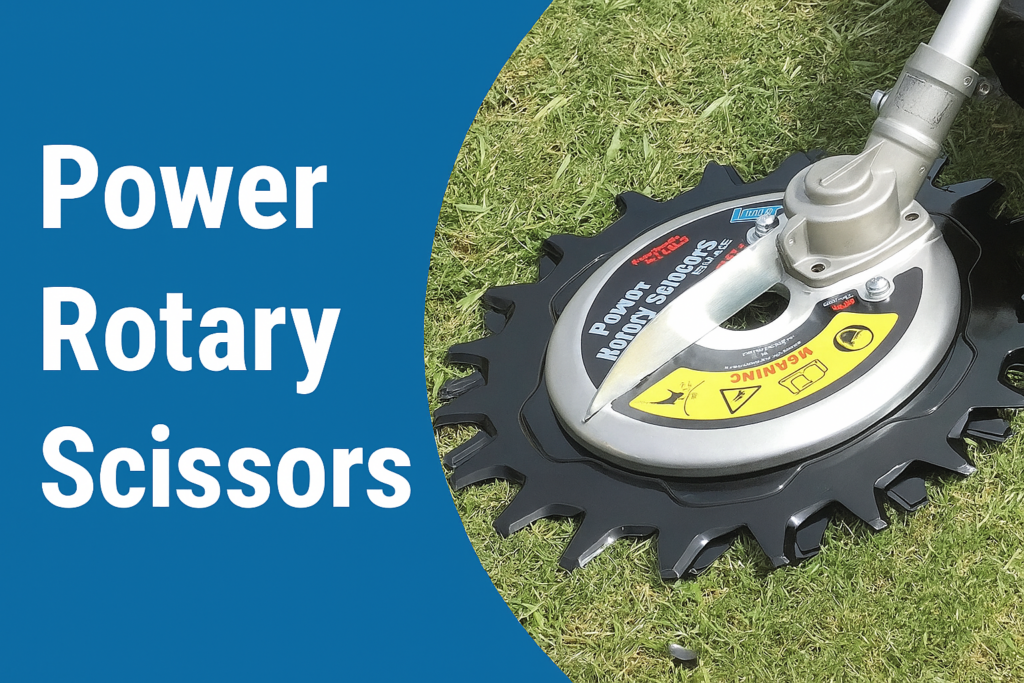
Are you tired of uneven edging, shredded grass near curbs, and endless trimmer line replacements? Meet the Power Rotary Scissors, a powerful attachment designed to supercharge your straight‑shaft trimmer or brush cutter. Unlike regular string‑based weedeaters, this ingenious tool delivers scissor‑style precision cuts, making your lawn trimming faster, safer, and far more refined. In this post, we’ll explore its benefits, how it differs from standard trimmers, installation tips, pricing, and even provide an Amazon link for purchase.
🏆 What Are Power Rotary Scissors?
The Power Rotary Scissors is a solid‑steel cutting head that replaces the usual nylon line on a straight‑shaft trimmer or brush cutter. Rather than spinning filament at high speed, it uses counter‑rotating metal blades to slice through grass, weeds, vines, and even thin brush. The blades rest on a bottom steel disk, which prevents turf scalping and protects surfaces. Once you release the throttle, the blades stop almost instantly—boosting safety for both you and your landscape.
Most kits come with adapter sleeves to fit common shaft sizes (24‑28 mm), making them compatible with many popular brands like Stihl, Echo, EGO, and Husqvarna.
The Key Benefits of Power Rotary Scissors
1. Precision Like You’ve Never Seen
Unlike string trimmers that shred grass unevenly, rotary scissors cut cleanly and evenly along edges, sidewalks, and beds. They make it easy to blend mower lines for a professional finish.
2. No More Flying Debris
Because the blades rotate against each other with a bottom guard, there’s minimal risk of throwing rocks, mulch, or sticks. This is a huge safety win for windows, cars, and bystanders.
3. Safe Around Pets, Plants, and Water
These scissors can even work in shallow water or around delicate flower beds without snagging or scalping.
4. Handles Tough Vegetation Easily
The geared blades produce high torque that slices through thick grass, ground cover, and vines with less effort than nylon string trimmers.
5. Durable and Sharpenable
Unlike string that constantly breaks, the metal blades are resharpenable and designed to last for many hours of use.
Rotary Scissors vs. Regular Weedeater
Feature
Power Rotary Scissors
Traditional String Trimmer
Cutting Method
Scissor action (dual blades)
High‑speed nylon line
Precision
Clean, sharp edging
Jagged cuts, takes practice
Debris
Minimal flying objects
Rocks and grass can fly
Safety
Much safer near windows & people
Higher risk of property damage
Replacement
Sharpenable blades
Frequent line replacement
Cutting Surface Damage
Bottom disk prevents scalping
Can easily scalp turf
Water Use
Can cut in shallow water
Unsafe for wet trimming
Dense Weed Efficiency
Excellent
Moderate
Weight
Heavier (~4 lbs)
Lighter
Best Use
Detail edging, clean finish
Fast clearing of big areas
Who Should Use Power Rotary Scissors?
Homeowners who want perfect lawn edges and blended cuts.
Landscapers performing precision detailing around beds, patios, and walkways.
Anyone trimming near water or delicate plantings where flying debris is a risk.
DIY lawn enthusiasts who are tired of replacing trimmer line constantly.
Not ideal for: clearing large overgrown fields quickly or users who want the lightest possible trimmer head.
Installation & Setup
Check compatibility: Works on most straight-shaft trimmers with solid drive shafts (25 cc or larger).
Remove the existing trimmer head by loosening the retaining nut.
Install the rotary scissors using the correct adapter sleeve and tighten securely.
Wear safety gear including gloves, hearing, and eye protection.
Lubricate and sharpen the blades regularly for optimal performance.
Cost and Where to Buy
Most Power Rotary Scissors retail between $200 and $300 depending on the brand and size. A 9.5″ standard model is perfect for most residential and commercial edging.
If you’re ready to upgrade your lawn care game, here’s an Amazon link to purchase one:
Sharpen blades every 10 hours of use or if cutting performance drops.
Apply EP grease to the gear and shaft periodically.
Check the mounting bolts and adapter fit before each use.
Store in a dry area and clean off debris after every session.
Summary: Why Rotary Scissors Are a Game-Changer
Precision and Cleanliness: Perfect edges without jagged string damage.
Safety: Minimal debris and safe around windows, pets, and people.
Durability: Sharpenable blades mean less frequent replacement parts.
Versatility: Great for edging, aquatic trimming, and professional detailing.
If you want to turn ordinary trimming into professional-level landscaping, the Power Rotary Scissors is the ultimate upgrade. Add one to your toolkit and enjoy the cleanest edges your yard has ever seen.
Maintaining a beautiful yard is a labor of love. From carefully mowing your lawn to fertilizing, watering, and keeping it free of weeds, your yard is often a reflection of your home and pride in your property.
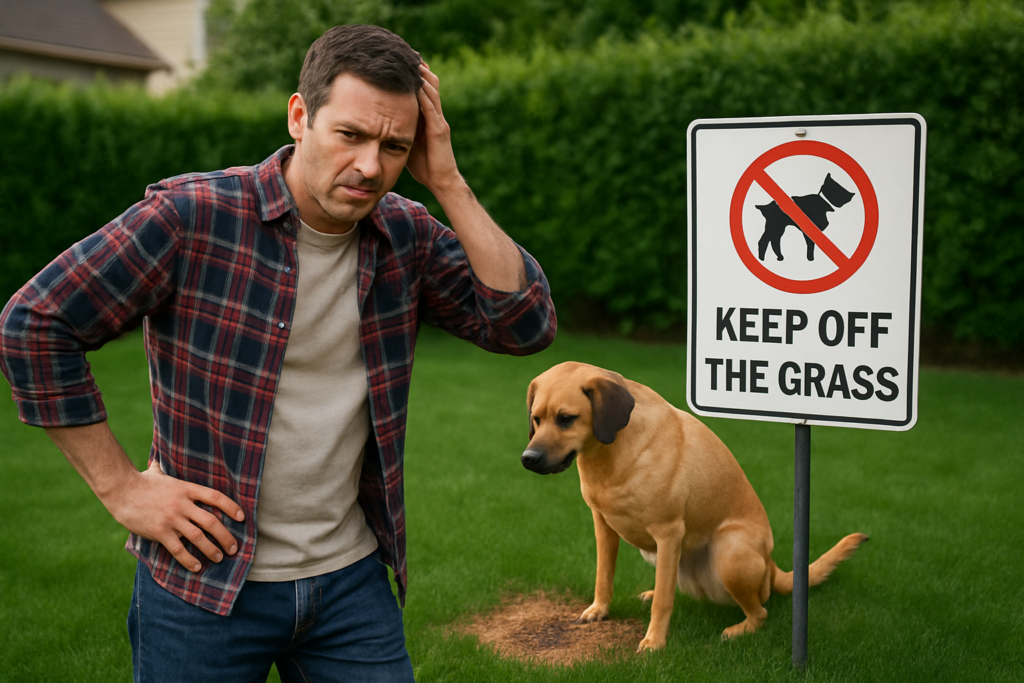
But for many homeowners, there’s one frustrating problem that can undo all your hard work—neighborhood dog walkers using your lawn as their dog’s personal bathroom.
Dog pee burns your grass, dog poop leaves unsightly (and unsanitary) messes, and constant traffic can ruin the health of your yard. Worse yet, if you live in a neighborhood where people walk their pets frequently, your front lawn can quickly become a target zone for repeat offenders.
In this guide, we’ll cover:
The damage dog pee and poop cause to your lawn
Laws and regulations about dogs using other people’s yards
Prevention strategies to keep your lawn healthy and dog-free
Neighborly and legal ways to deal with repeat offenders
Why Dog Pee and Poop Damage Your Lawn
Before we dive into solutions, it helps to understand why dog waste is so damaging to grass.
1. Dog Pee Causes Lawn Burn
Dog urine is essentially high in nitrogen and salts. While nitrogen is actually a nutrient that lawns need, too much nitrogen in one concentrated spot acts like fertilizer burn.
Symptoms of dog pee damage:
Small round yellow or brown patches in the grass
Green halo or ring around the dead spot
Repeated damage in the same spot if dogs return to the area
Female dogs tend to cause more concentrated damage because they squat in one place, while male dogs often mark multiple spots in smaller amounts.
2. Dog Poop Isn’t Fertilizer
Some people mistakenly believe that dog poop is like cow manure or compost and is good for grass. That’s a myth.
Dog poop is acidic and nutrient-heavy
It can smother grass and promote fungus
It breeds bacteria and parasites such as E. coli and roundworm
Not to mention—it’s just plain gross to find someone else’s pet waste in your yard, especially if kids play there.
3. Frequent Foot Traffic Compacts Soil
Even if a dog just walks across your lawn repeatedly without relieving itself, foot traffic compacts the soil. Compacted soil prevents grass roots from getting enough air, water, and nutrients. Over time, this leads to thin, unhealthy turf, making it even more vulnerable to damage from dog waste.
Are There Laws Against Dogs Using Your Yard as a Bathroom?
The short answer is: Yes, in most cities, dog owners are legally required to control their pet’s waste.
Here are the common regulations:
1. Pooper Scooper Laws
Most cities and HOAs require pet owners to pick up after their dogs immediately.
Failing to do so can result in fines ($50 to $500) depending on the city.
2. Trespassing and Leash Laws
Dogs generally must remain on a leash on public property.
Allowing a dog to enter private property without permission can be considered trespassing.
3. Nuisance or Property Damage Laws
Damaging a neighbor’s property (like killing grass with dog urine) can fall under nuisance laws.
Repeated offenses can give you grounds to file a formal complaint with local animal control or your HOA.
Tip: Check your local municipal code or HOA rules for specifics—they often back you up if you need to address repeat offenders.
How to Prevent Dogs From Using Your Lawn as a Bathroom
While laws exist, enforcement is often tricky. Most homeowners prefer prevention first. Here are proven ways to protect your lawn:
1. Install Subtle Barriers
Short fencing or edging: Even a 12- to 18-inch decorative border discourages most casual dog walkers.
Hedges or low shrubs: A natural barrier makes your lawn less accessible.
2. Use Dog Repellents
Commercial sprays: Nature’s Mace Dog Repellent, Liquid Fence Dog & Cat Repellent
DIY options: Citrus peels, vinegar solution, or light cayenne pepper (reapply after rain)
3. Install Motion-Activated Devices
Motion-activated sprinklers: Spray water when motion is detected
Ultrasonic repellents: Emit high-pitched sounds that dogs dislike
4. Lawn Care Practices to Mitigate Damage
Water spots immediately to dilute urine
Apply gypsum to neutralize salts
Overseed thin areas to keep your lawn resilient
5. Communicate With Your Neighbors
Sometimes a polite conversation is the easiest solution. Show photos of damage, explain the problem, and suggest alternatives like using the street strip instead of your lawn.
6. Use Signage Wisely
Small “Please Curb Your Dog” or “Private Property – No Pet Bathroom” signs serve as visual reminders. Combine with cameras or sprinklers for better deterrence.
How to Handle Repeat Offenders
If one neighbor’s dog continues to damage your lawn, it’s time to document and escalate:
Install Security Cameras: Doorbell or yard cameras capture proof for complaints.
Send a Friendly but Firm Note: Be polite but clear, and reference local ordinances.
Contact Animal Control or HOA: Provide evidence and request formal action.
Important: Avoid unsafe barriers or chemical retaliation—they can create legal trouble.
Protecting Your Lawn Long-Term
1. Fixing Dog Pee Spots
Rake and remove dead grass
Apply gypsum or lime to neutralize urine
Overseed with fresh grass seed
Water deeply until grass recovers
2. Sanitizing After Dog Poop
Use a scoop or shovel to remove waste
Hose down the area to dilute residue
Apply pet-safe disinfectant to reduce bacteria
3. Strengthen Your Lawn Overall
Fertilize appropriately without overloading nitrogen
Aerate annually to prevent soil compaction
Use resilient grass types like Bermuda or Fescue
Final Thoughts
A beautiful lawn requires hard work and consistent care—but nothing can ruin it faster than unwanted dog traffic and waste.
By understanding the damage dog urine and poop cause, knowing your local laws, and using a mix of preventive and repair strategies, you can protect your lawn and keep it looking its best without unnecessary neighbor drama.
With the right approach, your yard can go back to being your peaceful green oasis instead of the neighborhood dog park.
If you’ve ever taken an early morning stroll through your neighborhood, you might have noticed something peculiar: some homeowners are out on their lawns with a broom, rake, or even a piece of PVC pipe, brushing the dew off their grass.
At first glance, it might seem like a quirky habit, or maybe you thought they were just fussy about their lawn. But there’s more to this morning routine than meets the eye. Brushing dew off your lawn isn’t just a tradition passed along by meticulous lawn enthusiasts—it actually has real benefits for the health of your grass and the overall appearance of your yard.
In this comprehensive guide, we’ll explore:
What morning dew is and why it forms
Why brushing dew off your lawn is beneficial
The risks of leaving dew on your grass
How to properly brush dew off without damaging your lawn
Tools and tips for an easy dew-removal routine
Whether you’re a weekend lawn warrior or simply curious about your neighbor’s early morning ritual, by the end of this blog, you’ll know exactly why some homeowners swear by dew removal—and why it might be worth trying in your own yard.
1. Understanding Morning Dew
Before we can talk about why people brush dew off their lawns, let’s first understand what dew actually is.
Morning dew forms when moisture in the air condenses on cooler surfaces, like grass, overnight.
Here’s the science in simple terms:
During the day, the sun warms up the ground and grass blades.
At night, temperatures drop. When the grass cools down, the moisture in the air condenses on the surface.
Result? Tiny water droplets form on the tips of your grass blades—what we call dew.
Some conditions make dew more likely to form:
Clear nights without clouds (clouds act like a blanket, trapping heat)
Calm, windless mornings (wind can prevent condensation)
High humidity the night before
Grass that is actively growing and healthy (it retains surface moisture more easily)
While dew is natural and harmless most of the time, leaving your grass wet for extended periods can create problems, especially during certain seasons. This is where the practice of brushing off dew comes into play.
2. Why People Brush Morning Dew Off Their Lawns
So why go through the trouble of brushing dew away? For most lawn enthusiasts, it comes down to prevention and lawn health.
2.1 Preventing Lawn Diseases
Excess moisture on grass blades creates the perfect environment for fungal diseases. Common lawn fungi include:
Dollar Spot – Small, silver-dollar-sized patches of dead grass
Powdery Mildew – White or gray powdery growth on grass blades
Rust Fungus – Grass develops orange or brown dust-like spores
Brown Patch – Large circular dead zones in lawns, common in summer
Fungal spores thrive in warm, moist conditions. Dew that lingers into late morning or early afternoon prolongs the wetness period on your lawn, which fungi love.
By brushing off the dew early, you help the grass dry out faster and make it harder for fungal infections to take hold.
2.2 Protecting Grass from Frost and Cold Damage
In cooler months, dew can combine with near-freezing temperatures to create frost.
If you walk on a frosted lawn without removing the dew first, the grass blades can break, leaving brown footprints behind.
Brushing dew off before frost sets in or after a light frost helps prevent damage.
This is especially important for cool-season grasses like fescue, rye, and bluegrass, which are more common in northern climates.
2.3 Encouraging Healthier Morning Photosynthesis
Here’s a fun lawn care fact: Grass needs sunlight to photosynthesize efficiently.
When your lawn is covered in thick dew droplets:
Sunlight scatters on the water beads instead of directly reaching the grass blade surface.
Water droplets can even act like magnifying glasses, potentially causing minor sunscald during bright mornings.
Brushing dew off first thing in the morning reduces the barrier between the sun and the grass, giving your lawn an early boost in photosynthesis.
2.4 Improving Lawn Appearance and Maintenance
If you’re the type who mows your lawn in the morning, you’ve probably noticed that wet grass is a nightmare to mow.
Clumping: Wet grass clumps under the mower deck.
Uneven cut: The mower blades can tear rather than cut cleanly.
Messy cleanup: Wet clippings stick to shoes, driveways, and the mower itself.
By brushing dew off:
You allow the grass to dry faster.
You get a cleaner, sharper cut when you mow.
You reduce the chances of leaving clumping marks in your otherwise beautiful lawn.
2.5 A Daily Inspection Opportunity
For many lawn enthusiasts, brushing off the morning dew is about habit and observation.
It gives you a chance to walk your lawn daily.
You can spot problems early, like pest damage, weeds, or the start of fungal spots.
You can also enjoy the peaceful, meditative routine of caring for your yard first thing in the morning.
Think of it like brushing your teeth—it’s preventative care for your lawn.
3. The Risks of Leaving Morning Dew Untouched
If you’re wondering, “Do I really need to bother with this?” here’s what can happen if you leave morning dew on your grass all the time:
Increased risk of fungal diseases (especially in spring and fall)
Prolonged wet conditions that stress grass in shaded or poorly drained areas
Unsightly brown patches or footprints during frosty mornings
Slower drying times for mowing, making lawn care more frustrating
While not every lawn requires daily dew removal, if your lawn is prone to disease, heavily shaded, or in a humid region, this simple habit can make a big difference.
4. How to Brush Dew Off Your Lawn
So, how do homeowners actually brush dew off their lawns? Surprisingly, it doesn’t take much effort or special equipment.
4.1 Use a Simple Lawn Brush or Broom
A soft-bristle push broom or a dedicated lawn brush works perfectly.
Start at one end of the yard and gently sweep across the tops of the grass blades.
Move in long, overlapping strokes like you’re vacuuming a carpet.
Avoid pressing too hard—you’re not scrubbing the grass, just moving water droplets off.
4.2 Drag a Hose or Rope Across the Lawn
This is an old-school golf course trick:
Take a garden hose or a length of rope and drag it lightly across the lawn.
The slight disturbance knocks dew droplets off the grass quickly.
This method is fast for larger lawns and saves you from walking every square foot.
4.3 Use a Leaf Rake (Gently!)
A flexible plastic or bamboo leaf rake can also be effective:
Pull it lightly across the grass surface to shake off the moisture.
Avoid metal rakes with sharp tines—they can damage the grass if you’re too aggressive.
4.4 Walk the Lawn with a Pole or PVC Pipe
Another easy method is simply walking the lawn with a lightweight pole:
A 10-foot piece of PVC pipe works great.
Hold it horizontally and sweep it gently over the tops of the grass blades as you walk.
This technique is very popular for sports fields and golf greens because it’s fast and covers wide areas.
4.5 Timing Matters
The best time to brush dew off your lawn is shortly after sunrise when:
Dew has fully formed overnight.
Grass is still cool, but the sun is starting to rise.
Drying will happen quickly after you remove the surface moisture.
5. Tools and Tips for Easier Dew Removal
Invest in a long-handled push broom or a wide lawn brush to reduce bending.
Wear waterproof shoes or boots—your lawn will still be damp after dew removal.
Plan your route so you’re not walking over the same spots repeatedly, which can flatten grass.
Consider a simple DIY tool: Many lawn care enthusiasts create a “dew whip” with a rope or chain to pull across their grass for fast coverage.
6. Benefits You’ll Notice Over Time
Healthier, disease-resistant lawn
Cleaner mowing sessions with less clumping
Reduced brown patch and footprinting in cooler months
More consistent lawn color and growth
Peace of mind knowing you’re actively preventing lawn stress
It’s one of those small habits with big payoffs—especially if you pride yourself on having the best lawn on the block.
7. Final Thoughts
Brushing morning dew off your lawn might seem like a small or even unnecessary chore, but for dedicated homeowners and lawn enthusiasts, it’s part of a smart, proactive lawn care routine.
The practice:
Keeps your grass healthier
Reduces the risk of fungal disease
Makes mowing easier and cleaner
Encourages a lush, vibrant lawn year-round
Next time you see a neighbor out there in the early morning with a broom or a hose, you’ll know—they’re not just tidying up; they’re protecting their lawn’s long-term health.
And if you want a simple, satisfying ritual that sets your yard apart, maybe it’s time to join the morning dew crew.
If you’ve stepped outside and noticed small clusters of mushrooms popping up in your Bermuda grass, you might be wondering: Is this bad for my lawn? Should I pull them up? Will they hurt my grass?
The truth is, mushrooms in your lawn aren’t always a bad sign. In fact, they often tell you something positive about your soil. But there are also times when you may want to take action. Let’s break it down.
Why Mushrooms Grow in Bermuda Grass
Mushrooms are a natural part of the ecosystem. They’re the fruiting bodies of fungi living in your soil, and they appear when conditions are just right — usually after periods of moisture, warm temperatures, and high humidity.
Some of the most common reasons mushrooms grow in Bermuda lawns include:
Organic matter in the soil – Mushrooms feed on decaying plant material like old roots, buried wood, and grass clippings.
Recent rainfall or irrigation – Mushrooms thrive in moist environments, so heavy rain or overwatering can cause a sudden outbreak.
Healthy soil activity – A robust fungal presence means your soil is alive and working to break down organic matter, releasing nutrients for your grass.
Are Mushrooms a Bad Sign for Bermuda Grass?
In most cases, mushrooms are not a sign of disease or a threat to your Bermuda grass. In fact, their presence often indicates:
Healthy soil biology – Mushrooms are part of a balanced lawn ecosystem.
Good nutrient cycling – The fungi help decompose organic matter, releasing nitrogen and other nutrients your Bermuda grass needs.
However, there are a few scenarios where mushrooms can signal issues:
Excess moisture – Consistently wet soil can promote fungal overgrowth and root problems.
Poor drainage – Water pooling in certain areas can lead to mushrooms and turf stress.
Buried debris – Old wood or roots under the lawn can become long-term mushroom food sources.
The Benefits of Mushrooms in Your Bermuda Grass
You might be surprised, but mushrooms actually bring some perks to your lawn:
Natural fertilization – As fungi break down organic matter, they release nutrients your grass can use.
Improved soil structure – Fungal networks (mycelium) help soil retain moisture and promote root health.
Biodiversity – A diverse lawn ecosystem can make your turf more resilient against pests and diseases.
Think of mushrooms as nature’s recyclers — they turn old, dead material into life-giving nutrients for your Bermuda grass.
Should You Remove Mushrooms from Your Lawn?
Removing mushrooms is more about personal preference and safety than lawn health. They won’t harm your Bermuda grass directly, but you might want to remove them if:
You have pets or young children (some mushrooms are toxic if eaten).
You don’t like the look of them.
They’re spreading heavily in one area.
How to remove mushrooms:
Wear gloves and pick them by hand, or use a small rake.
Dispose of them in the trash — not the compost pile — to avoid spreading spores.
Will Mushrooms Damage My Bermuda Grass?
No — mushrooms themselves won’t damage your Bermuda grass. The underlying fungus lives in harmony with your lawn, often improving soil health.
The only risk is if mushrooms are a symptom of overly wet soil, which can stress Bermuda grass roots and promote turf diseases. If mushrooms appear after every watering, it might be time to adjust your irrigation schedule.
How to Reduce or Prevent Mushrooms
If you’d prefer to keep mushrooms to a minimum, try these tips:
Improve drainage – Aerate compacted soil and address low spots where water collects.
Remove organic debris – Rake up clippings, leaves, and old mulch.
Dethatch when needed – Thick thatch layers can trap moisture and encourage fungi.
Sunlight exposure – Trim overhanging tree branches to allow more sunlight to reach damp areas.
Final Thoughts
Mushrooms in your Bermuda grass are usually a sign of healthy soil, not a problem. They’re part of nature’s recycling team, breaking down organic matter and enriching your lawn.
However, if you dislike their appearance or have safety concerns, you can remove them and reduce the conditions that make them thrive.
In short — don’t panic when you see mushrooms. In many cases, it means your Bermuda grass is growing in a thriving, living ecosystem.
Pro Tip: If you ever notice mushrooms accompanied by yellowing or thinning grass, that could be a sign of excessive moisture or lawn disease. In that case, check your watering schedule and consider a soil test.