Tag: Bermuda Grass

  • Why 90% of Bermuda Grass Success Is Cutting — And Why Right Now It’s All About Preparation

    If you’ve ever admired a thick, dark-green Bermuda lawn with clean stripes and wondered how homeowners achieve that look, the answer is simpler than most people think.

    During the active growing season, about 90% of your success comes from consistent mowing.
    The other 10% comes from watering, fertilizing, and general maintenance.

    But here’s what many homeowners don’t realize.

    Right now, before peak growth starts, that formula is flipped.

    During the ramp-up season, 90% of your work should be preparation, not cutting.

    If you skip this stage, you will spend the entire summer trying to fix problems that could have been prevented.

    This guide explains:
    • Why mowing dominates the summer
    • Why preparation dominates spring
    • What you should be doing right now
    • How to build a lawn that thrives all season
    • A simple seasonal plan for Bermuda success

    Let’s build your lawn the right way from the start.

    Understanding Bermuda Grass and Its Growth Cycle

    Bermuda grass is a warm-season grass. It grows best when soil temperatures rise and days get longer.

    Unlike cool-season grasses, Bermuda follows a predictable yearly pattern.

    Dormant Phase (Late Fall to Winter)
    • Grass turns brown
    • Growth stops
    • Energy is stored in roots

    Ramp-Up Phase (Early Spring)
    • Soil warms
    • Roots wake up
    • New shoots form
    • Energy is released

    Active Growing Season (Late Spring to Summer)
    • Rapid growth
    • Thick spreading
    • Frequent mowing needed

    Slowdown Phase (Fall)
    • Growth slows
    • Energy stored for winter
    • Color fades

    Each phase requires a different approach. Treating all seasons the same leads to problems.

    Why 90% of Summer Success Is Cutting

    Once Bermuda enters full growth mode, mowing becomes the foundation of everything.

    Not fertilizer.
    Not watering.
    Not special products.

    Mowing.

    Bermuda spreads through runners and underground stems. When you mow correctly, you encourage:
    • Thicker growth
    • Wider spreading
    • Stronger turf
    • Fewer weeds

    Every cut tells the grass to grow stronger.

    When mowing is inconsistent, Bermuda grows tall and thin instead of thick and dense.

    The Frequent Cutting Rule

    During peak season, Bermuda should be mowed:
    • Every 3 to 4 days (best)
    • At least once per week

    Letting it grow tall and cutting it short causes:
    • Stress
    • Yellowing
    • Thinning
    • Scalping
    • Weed problems

    Never remove more than one-third of the blade at one time.

    Proper Mowing Height

    Bermuda thrives at lower heights.
    • Reel mower: 0.5 to 1.5 inches
    • Rotary mower: 1.5 to 2.5 inches

    Consistent low mowing creates:
    • Dense turf
    • Better stripes
    • Stronger roots
    • Improved drought tolerance

    But this only works if your lawn is prepared first.

    Why Right Now Is the Most Important Time of the Year

    Spring determines what kind of lawn you will have all summer.

    Not July.
    Not August.

    Now.

    During ramp-up, Bermuda is:
    • Rebuilding roots
    • Repairing winter damage
    • Activating growth points
    • Storing nutrients
    • Preparing for heavy growth

    What you do now affects:
    • Thickness
    • Color
    • Weed resistance
    • Heat tolerance
    • Recovery ability

    Preparation is everything.

    The 90/10 Seasonal Rule

    Here is the simple formula.

    During Summer
    • 90% Mowing
    • 10% Feeding and Watering

    During Spring Ramp-Up
    • 90% Preparation
    • 10% Light Mowing

    If you reverse this, your lawn will struggle.

    Step 1: Prepare Your Soil

    Healthy grass starts underground.

    Before adding fertilizer, consider:
    • Is soil compacted?
    • Does water drain well?
    • Is thatch built up?
    • Are nutrients balanced?

    Core Aeration

    If your lawn feels hard or puddles after rain, aeration helps by:
    • Loosening soil
    • Improving oxygen flow
    • Helping roots grow
    • Improving fertilizer absorption

    Aerate before heavy feeding.

    Dethatching (If Needed)

    Too much thatch blocks water and nutrients.

    Signs include:
    • Spongy feeling
    • Patchy growth
    • Poor drainage
    • Shallow roots

    Light dethatching in spring improves performance.

    Step 2: Apply Pre-Emergent for Weed Control

    Weeds compete with Bermuda for nutrients.

    Once weeds appear, you are already behind.

    Apply pre-emergent in early spring when soil temperatures reach about 55 degrees.

    This prevents:
    • Crabgrass
    • Goosegrass
    • Foxtail
    • Spurge
    • Annual weeds

    Prevention is easier than treatment.

    Step 3: Feed the Roots First

    Early fertilizer is about roots, not color.

    Strong roots create strong grass.

    Use:
    • Balanced fertilizer (10-10-10 or similar)
    • Slow-release nitrogen

    This supports:
    • Root growth
    • Spreading
    • Stress resistance
    • Even development

    Avoid heavy nitrogen too early.

    Optional Soil Boosters

    For advanced care, consider:
    • Humic acid
    • Compost topdressing
    • Sea kelp extract
    • Bio-stimulants

    These improve long-term health.

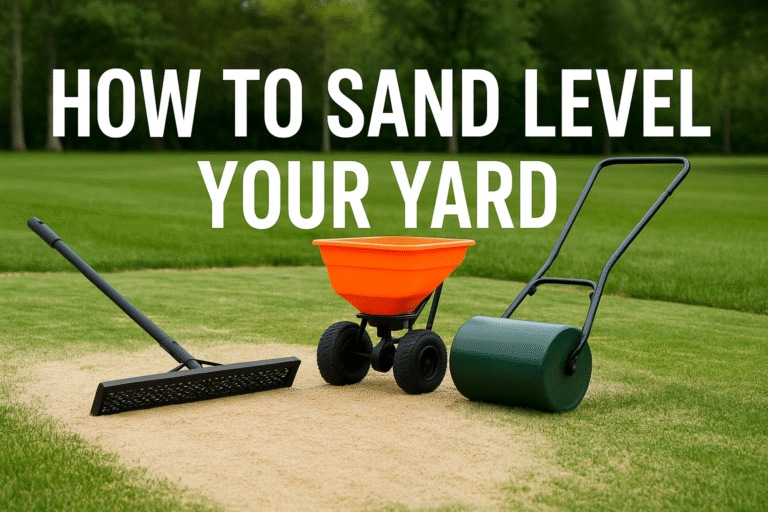
    Step 4: Level Your Lawn Early

    Uneven lawns are difficult to mow low.

    Spring is the best time for leveling.

    Benefits include:
    • Smoother mowing
    • Less scalping
    • Better drainage
    • Cleaner appearance

    Use light sand applications and allow grass to grow through.

    Step 5: Set Up Proper Watering

    Spring watering trains roots.

    Water:
    • Deeply
    • Infrequently
    • Early morning

    This encourages deep roots.

    Avoid shallow daily watering.

    Step 6: Prepare Your Equipment

    Your lawn is only as good as your tools.

    Before summer:

    Mower Maintenance
    • Sharpen blades
    • Adjust height
    • Clean deck
    • Check belts

    Dull blades tear grass and cause stress.

    Calibrate Spreaders and Sprayers

    Uneven applications cause patchy lawns.

    Check:
    • Spread patterns
    • Flow rates
    • Coverage

    Consistency creates professional results.

    Step 7: Light Mowing During Spring

    Do not scalp early.

    In spring:
    • Mow lightly
    • Keep height slightly higher
    • Remove dead material

    Lower height gradually as growth increases.

    What Happens If You Skip Preparation

    Skipping spring prep leads to:

    Thin Turf

    Weak roots mean weak grass.

    Weed Problems

    Open areas invite weeds.

    Poor Color

    Nutrient imbalance causes uneven green.

    Scalping

    Uneven ground causes damage.

    Constant Repairs

    You stay in recovery mode.

    Preparation prevents these issues.

    How Preparation Makes Summer Easy

    With proper spring prep:
    • Mowing becomes simple
    • Fertilizer works better
    • Watering is efficient
    • Weeds are minimal
    • Growth is uniform

    Your routine becomes:

    Mow. Water. Enjoy. Repeat.

    The Ideal Bermuda Lawn Year Plan

    Late Winter to Early Spring
    • Soil test
    • Aeration
    • Pre-emergent
    • Light feeding
    • Equipment prep

    Mid Spring
    • Leveling
    • Starter fertilizer
    • Light mowing

    Summer
    • Frequent mowing
    • Nitrogen feeding
    • Deep watering
    • Spot weed control

    Fall
    • Potassium support
    • Reduce nitrogen
    • Strengthen roots

    Winter
    • Service equipment
    • Plan improvements

    Each stage supports the next.

    Why Most Homeowners Struggle

    Most people:
    • Wait for green-up
    • Start mowing too soon
    • React to problems
    • Overuse fertilizer
    • Fight weeds all season

    They treat symptoms instead of causes.

    Successful lawns are built intentionally.

    Think Like a Groundskeeper

    Professionals:
    • Prepare early
    • Feed strategically
    • Cut consistently
    • Monitor soil
    • Plan ahead

    You don’t need their budget.

    You need their mindset.

    Spring Preparation Checklist

    Use this list before peak season:
    • Soil check
    • Aeration if needed
    • Pre-emergent applied
    • Balanced fertilizer
    • Equipment serviced
    • Light leveling
    • Watering adjusted
    • Mowing height set

    Complete this first.

    Final Thoughts: Build First, Maintain Later

    Bermuda lawns are built in spring.

    They are maintained in summer.

    If you prepare now, you will enjoy your lawn later.

    Remember:

    Summer is about mowing.
    Spring is about building.

    Do the work now, and your lawn will reward you all season.

  • The Anderson’s Barricade® Pre-Emergent Weed Control: Why Right Now Is the Time to Protect Your Lawn

    If you want a thick, weed-free Bermuda lawn this year, the most important thing you can do right now isn’t mowing.

    It isn’t fertilizer.

    It isn’t watering.

    It’s applying pre-emergent — and right now is the time to do it.

    Every year homeowners wait too long. They see weeds pop up and then scramble to fix the problem. But by then, the damage is already done.

    If soil temperatures are climbing and daytime highs are getting warmer, you are in the critical window.

    And if you miss it, you’ll fight weeds all season.

    That’s why today we’re talking about one of the most trusted products in lawn care:

    The Anderson’s Barricade® Pre-Emergent Weed Control

    👉 You can purchase it directly here:
    Order The Anderson’s Barricade® Here

    But first, let’s talk about why timing matters so much.

    Why Right Now Is the Critical Window

    Weed seeds are already in your soil.

    They’ve been sitting there since last year.

    They are just waiting for one thing:

    Warm soil.

    Once soil temperatures consistently hit about 55 degrees, crabgrass and other annual weeds begin to germinate. And once they germinate, pre-emergent will not stop them.

    Let that sink in.

    Pre-emergent only works before weeds sprout.

    That means the window is small.

    If your grass is starting to wake up…
    If your days are getting into the 60s…
    If spring feels like it’s arriving…

    Now is the time.

    Waiting even two or three weeks can mean you miss the window entirely.

    What Is Pre-Emergent and Why It Matters

    Pre-emergent weed control is preventative protection.

    It creates a barrier in the top layer of soil. When weed seeds begin to germinate, they cannot successfully emerge through that treated layer.

    Instead of sprouting and spreading across your lawn, they stop before they start.

    It does not kill weeds you can already see.

    It prevents the ones you haven’t seen yet.

    That’s the power of using it at the right time.

    Why The Anderson’s Barricade® Is a Trusted Choice

    There are many pre-emergent products on the market.

    But The Anderson’s Barricade® Pre-Emergent Weed Control is known for consistent performance and long-lasting results.

    👉 You can purchase it directly here:
    Order The Anderson’s Barricade® Here

    Barricade provides a reliable barrier that helps prevent:
    • Crabgrass
    • Goosegrass
    • Foxtail
    • Spurge
    • Poa annua
    • Other annual grassy weeds

    When applied correctly and watered in, it protects your lawn for weeks — sometimes months — depending on your application rate and conditions.

    What Happens If You Wait Too Long

    This is where most homeowners make the mistake.

    They wait until they see weeds.

    By then:
    • Seeds have already germinated
    • Roots are developing
    • Competition has begun
    • Nutrients are being stolen

    At that point, you move into post-emergent control mode, which is:
    • More expensive
    • More time-consuming
    • More stressful on your lawn
    • Less effective overall

    Prevention is always easier than correction.

    And prevention only works before germination.

    That’s why right now matters.

    How Barricade Works Beneath the Surface

    When you spread Barricade across your lawn and water it in, the active ingredient bonds to the top layer of soil.

    As weed seeds absorb moisture and attempt to sprout, they encounter that barrier.

    They cannot push through.

    Instead of turning into visible weeds, they stop at the soil line.

    Your Bermuda grass, however, is already established. It continues growing, thickening, and spreading without competition.

    That’s the advantage.

    Signs It’s Time to Apply

    If you’re unsure whether it’s time, here are some clues:
    • Soil temperatures approaching 55 degrees
    • Consistent daytime highs in the 60s
    • Early spring growth beginning
    • Forsythia blooming in your area
    • Bermuda starting to lose winter dormancy

    If those conditions sound familiar, don’t wait.

    Apply now.

    Step-by-Step: How to Apply Barricade Properly

    Step 1: Mow your lawn once to remove excess debris.
    Step 2: Clear leaves or heavy thatch so the product reaches the soil.
    Step 3: Calibrate your spreader according to the label instructions.
    Step 4: Apply evenly in overlapping passes.
    Step 5: Water in with 0.25 to 0.5 inches of irrigation.
    Step 6: Avoid disturbing the soil afterward.

    Why This Matters Especially for Bermuda Grass

    Bermuda thrives when weeds are suppressed early.

    During the ramp-up phase, Bermuda is rebuilding roots and preparing for aggressive growth.

    If weeds invade early:
    • Root development suffers
    • Turf density decreases
    • Summer mowing becomes harder
    • Fertilizer feeds weeds instead of grass

    Applying Barricade now gives Bermuda a clean start.

    The Cost of Skipping Pre-Emergent

    Skipping pre-emergent leads to:
    • Patchy turf
    • Crabgrass outbreaks
    • Higher chemical costs
    • More frustration
    • Slower recovery

    Barricade is far cheaper than fixing weed damage later.

    How Barricade Fits Into Your Spring Plan

    Right now, your priorities should be:
    1. Apply pre-emergent
    2. Prepare soil
    3. Light feeding
    4. Equipment prep

    Weed control always comes first.

    Why Professionals Never Skip This Step

    Golf courses, athletic fields, and premium lawns never wait for weeds.

    They apply protection early.

    That’s how they stay clean.

    Follow their example.

    Where to Buy Barricade (My Personal Link)

    You can purchase The Anderson’s Barricade® using my personal link here:Order The Anderson’s Barricade® Here

    Using this link helps support my lawn content and allows me to keep sharing tested strategies.

    Thank you for your support.

    Final Thoughts: Don’t Miss the Window

    Right now is your chance.

    Weed seeds are waking up.

    You can stop them.

    Apply Barricade now.

    Protect your Bermuda.

    Make this your easiest lawn season yet.